


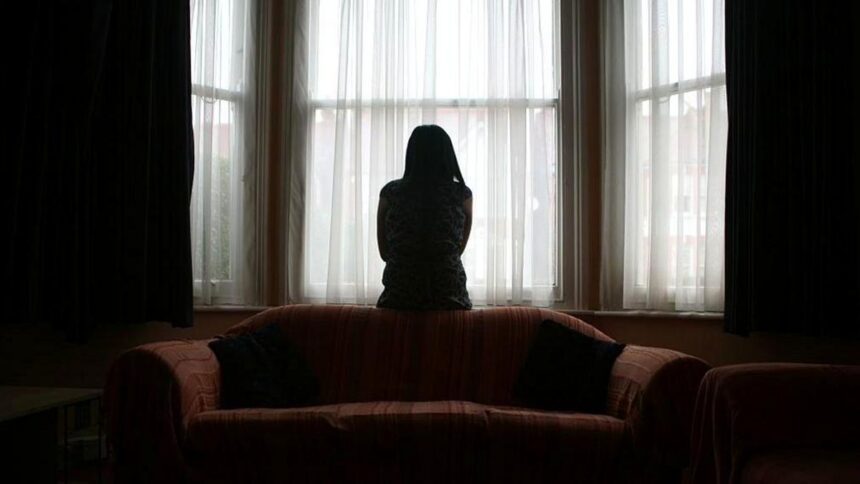
England Exit Brings Familiar Warning on Domestic Abuse
As the full-time whistle blew in Atlanta on Wednesday and ended England’s World Cup campaign, attention turned to a recurring consequence of national team matches. Research by Lancaster University shows domestic abuse rises by 26% when England play and by 38% when they lose.
A Pattern Beyond the Tournament
Rebecca Goshawk of domestic abuse charity Solace watched the semi-final against Argentina and described the fear some survivors face. “We know that there’ll be survivors and victims frightened of their partners coming home and worried about what that might mean for them and their safety,” she said.
Goshawk outlined the abuse women endure: “They’re being shouted at. They’re being belittled. They’re being told they’re useless. It can be as strong as physical violence against women, whether that’s being hit or kicked.” She added that for most women this is not a one-off tied to football but “a pattern that they’re used to.”
Previous Tournament Data
The National Police Chiefs’ Council released data showing more than 300 domestic abuse offences were reported to police during Euro 2024 where victims believed the perpetrator’s behaviour was linked to football. Statistics for the 2026 World Cup will not be available for some time, but Goshawk predicts similar numbers of domestic abuse in England and says rates of misogyny and abuse generally are not changing.
Alcohol, Responsibility and Prevention
Goshawk says Solace places the onus on perpetrators, who are in the vast majority of cases men, rather than the football itself. She explains that increased alcohol consumption can heighten feelings of loss or disappointment and lead to aggression, and the charity’s message to men is that this behaviour can change and help is available.
“There are advice lines out there for men who are worried about their own abusive behaviours,” she said. “What we’d say to other men who may not be perpetrating this violence: You have a duty and a responsibility to understand and challenge it within your friendships and your family as well. We all do.”
Prosecutors Call for Early Action
The Crown Prosecution Service says four of every five police-referred cases result in charges, and Olivia Rose, the CPS National Stalking Lead, says abuse extends beyond physical violence to coercive and controlling behaviour. “It’s crucial for victims to spot the signs early,” Rose said. “What our prosecutors see can include monitoring of victims’ phones and social media, often inundating them with dozens of messages.”
Rose cited emotional blackmail such as threatening suicide if a partner leaves, and said: “It’s incredibly important that we get the message out to say that behaviour like this is not just unacceptable: it’s illegal.” The CPS says it works with police and women’s charities and urges communities to look out for vulnerable people during the World Cup.
“If you can step in to help, you could be making a life-changing difference,” Rose said. She added that victims will be supported: “We understand how difficult it can be to report domestic abuse. But if you come forward, you will be taken seriously, and we will bring offenders to justice. The World Cup should bring communities together, and it should never be an excuse to fuel abusive behaviour.”
Where to Find Help
Anyone in immediate danger should call 999, and abuse can also be reported to police on 101. The National Domestic Abuse Helpline in England is 0808 2000 247, the Live Fear Free helpline in Wales is 0808 80 10 800, and Solace’s advice line is 0808 802 5565.