


HEROIC Exits Dota 2 After Two Years Citing Financial Concerns
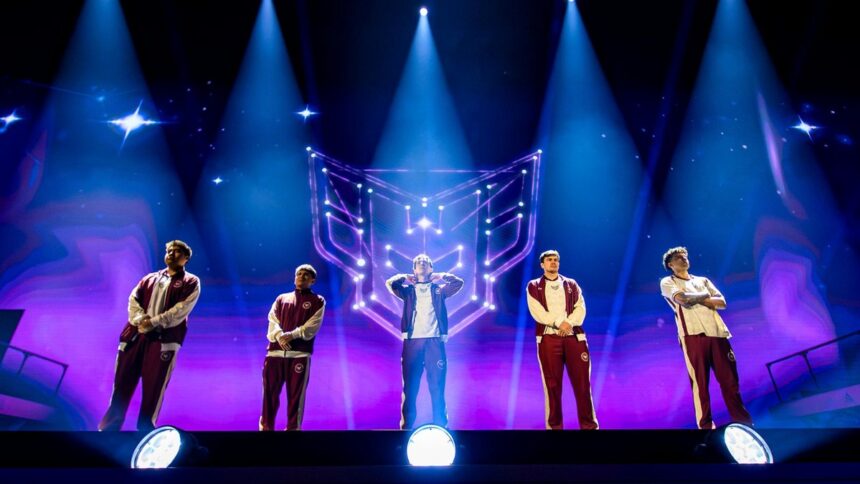
Norwegian esports organization HEROIC has officially stepped away from the Dota 2 competitive scene after two years, announcing the decision with what it described as a heavy heart. The organization fielded a South America-based roster that delivered strong competitive results and built a dedicated fanbase, yet the division failed to meet long-term financial expectations despite significant commercial efforts.
Players Released as Free Agents While Roster Plans to Stay Together
All five players — Yuma, TaiLung, Wisper, Thiolicor, and KJ — along with the coaching staff have been released from their contracts and are now free agents. The roster has indicated its intention to remain intact and continue competing in upcoming tournaments under a new banner, with Chief Gaming Officer Robin Nymann actively assisting in the search for a new organization.
Nymann characterized the move as difficult but necessary, stating that Dota 2 has proven a tough game to commercialize and that HEROIC had not been able to make it bear fruit for a long time. Coach kaffs expressed personal frustration with the timing of the decision but acknowledged understanding the reasons behind it, noting that the team also shares responsibility for the situation.
The organization entered the Dota 2 scene in January 2024 and quickly dominated South American regional qualifiers, though early LAN appearances at events such as ESL One Birmingham 2024 and The International 2024 yielded only mid-tier finishes. A breakthrough arrived after Parker joined the lineup, culminating in South America’s first tier-1 international LAN title at PGL Wallachia Season 2, followed by a top-six finish at The International 2025 after Yuma and Wisper joined the squad.
HEROIC’s most recent tournament appearance came at PGL Wallachia Season 8, where the team placed seventh to eighth and earned $40,000 in prize money. The departure follows Brazilian organization paiN Gaming’s exit from Dota 2 just a month earlier, underscoring broader concerns about the financial viability of Valve’s MOBA title for esports organizations.